
Jodhpur Really the Blue City of India?
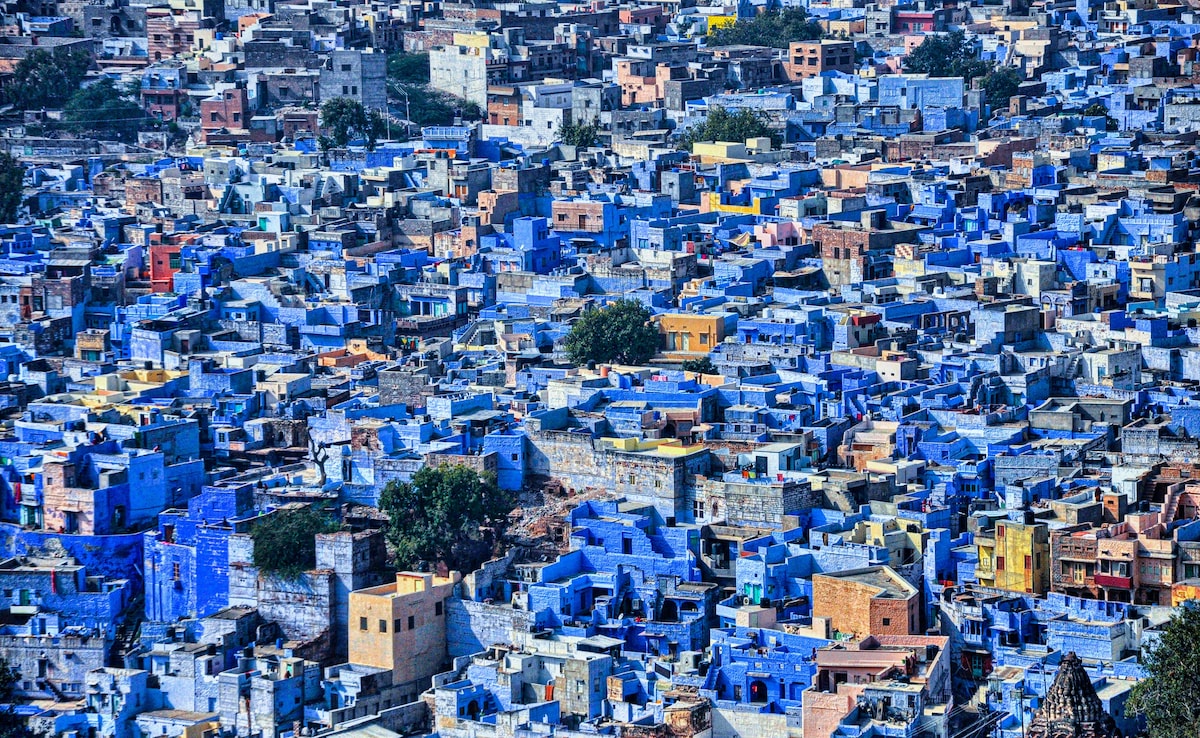
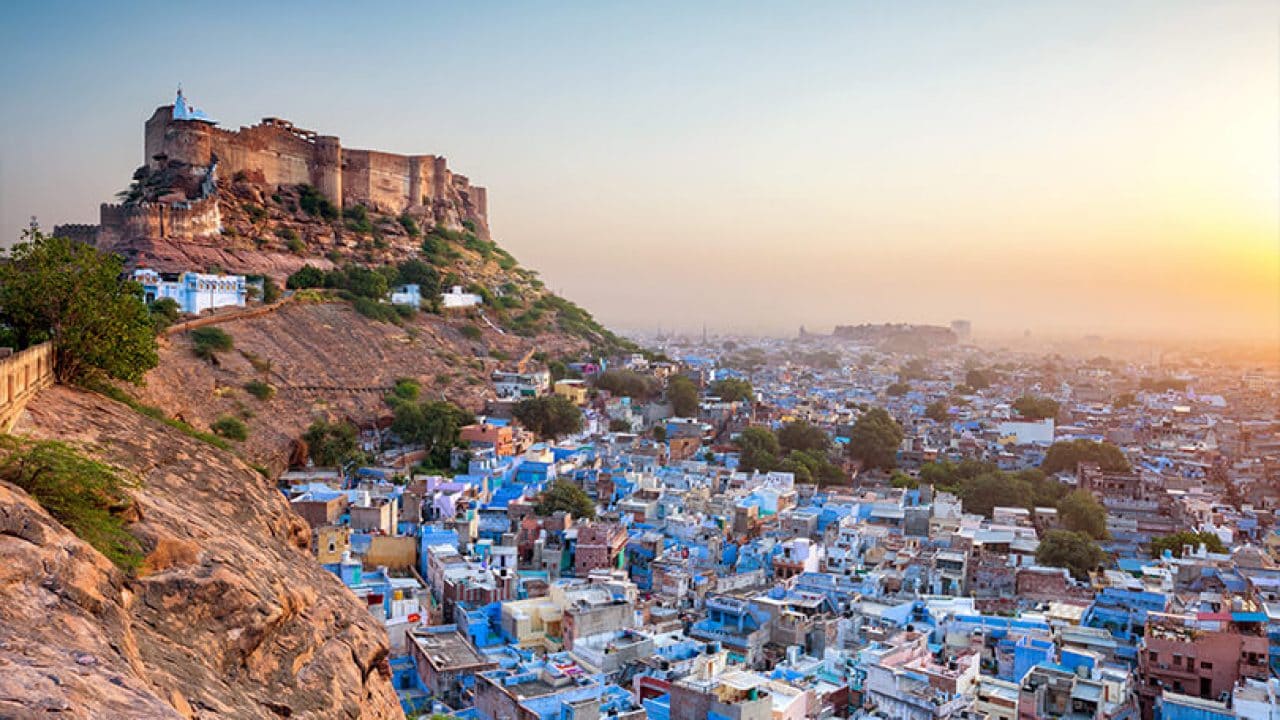
Jodhpur, the second-largest city of Rajasthan, has earned many names over centuries—Sun City, Royal City, and most famously, Blue City of India. Walk through its narrow lanes, stand atop the magnificent Mehrangarh Fort, or roam busy markets of the old city… everywhere you look, you will spot hundreds of blue-painted homes glowing against golden desert sun.
But the question remains: Is Jodhpur really the Blue City of India? Why are the houses painted blue? What makes this city so iconic?
Here’s your complete guide that answers everything—history, culture, travel tips, local attractions, and more.
Where is Jodhpur Located?
Jodhpur is situated in the Thar Desert region of Rajasthan, western India. It is the second-largest city in the state and serves as the gateway to the Marwar region. Its strategic location made it a historical center of trade, culture, and military strength, surrounded by arid landscapes dotted with palaces and temples.
-
State: Rajasthan
-
District: Jodhpur
-
Altitude: 231 meters above sea level
-
Nearby Cities: Jaipur, Udaipur, Jaisalme
What Makes Jodhpur the Blue City of India?
label Blue City comes from one simple yet fascinating feature:
A huge portion of old city’s houses, especially near the Mehrangarh Fort, are painted in distinct shades of blue.
Why Are Houses Painted Blue?
There are several widely believed reasons:
1. Symbol of Brahmin Homes
Historical records suggest that Brahmin families used blue colour to identify their houses. Over time, other communities adopted the practice, turning the entire area blue.
2. Heat Resistance
Rajasthan faces extreme temperatures. The blue-lime mixture helps keep houses cooler, making it a practical choice.
3. Protection from Termites
The blue paint, made from limestone and copper sulphate, is believed to repel termites, helping protect homes.
4. Aesthetic and Cultural Identity
Blue gives Jodhpur a unique, magical charm. The city’s tourism heavily celebrates this identity today.
Whether these reasons are historical or cultural, the truth remains:
No other city in India has this massive concentration of blue houses.
So yes—Jodhpur is truly and officially the Blue City of India.
History of Jodhpur – A Royal Legacy
Founded in 1459 by Rao Jodha, city was strategically located on the trade routes connecting Delhi, Gujarat, and Sindh. The old city was once protected by strong walls and seven gates, many of which still stand today.
Influence of Marwar rulers, Rajput architecture, and old merchants shaped the culture you see today in:
- Blue houses
- Fortress-style structures
- Stepwells
- Markets
- Palaces
Jodhpur remains a living example of Rajasthan’s rich and proud past.
Jodhpur Really the Blue City of India? Find Out Here
Top Places to Visit in Jodhpur – Complete Travel Guide
1. Mehrangarh Fort (The Crown of Jodhpur)
Entry Fee:
Indian: ₹200–₹250
Foreign Tourists: ₹600–₹700
Camera: Extra charges
Visit Time: 2–3 hours
Standing 410 feet above the city, Mehrangarh Fort offers the most stunning view of blue houses in Jodhpur. Its museum, palaces, ramparts, and temples make it one of India’s best forts.
2. Jaswant Thada
Known as the Taj Mahal of Marwar, Jaswant Thada is a white marble cenotaph that provides a peaceful atmosphere and perfect photography spots.
Best for:
- Photos
- History lovers
- Relaxation
3. Umaid Bhawan Palace
One of the world’s largest private residences, the palace is partially a royal residence, a luxury hotel, and a museum.
Don’t Miss:
- Vintage car collection
- Royal exhibition
4. Ghanta Ghar (Clock Tower)
The heart of the old city, surrounded by the Sardar Market—a must-visit for street shopping.
Buy local items:
- Mojris
- Bandhej sarees
- Lac bangles
- Spices
- Handicrafts
5. The Blue Streets (Navchokiya & Chandpole Area)
These areas are where you see the pure soul of the Blue City, perfect for:
- Photography
- Walking tours
- Street culture
- Local food exploration
6. Toorji Ka Jhalra (Stepwell)
This restored stepwell showcases Rajput engineering and has become a trendy spot surrounded by cafés.
7. Mandore Garden
A historical garden featuring cenotaphs, temples, & a museum.
Food You Must Try in Jodhpur
- Mirchi Bada
- Pyaaz Kachori
- Mawa Kachori
- Dal Baati Churma
- Makhania Lassi
- Laal Maas
- Gatte ki Sabzi
Local restaurants in the old city serve fresh, authentic, homely Rajasthani dishes.
Where to Stay in Jodhpur
Luxury Hotels:
- Umaid Bhawan Palace
- RAAS Jodhpur
Budget Hotels & Boutique Stays:
The Blue House
Krishna Prakash Heritage Haveli
Choose a hotel inside the old blue city if you want the real experience.
FAQ – Jodhpur Blue City
1. Why is Jodhpur called the Blue City?
Because many houses in the old area are painted blue, creating a unique cityscape.
2. Which area has the most blue houses?
Navchokiya, Chandpole, and the lanes below Mehrangarh Fort.
3. Are the houses still painted blue today?
Yes! Many families continue the tradition.
4. Is it safe for tourists?
Very safe, especially the old city and fort area.
-
Why Is Jodhpur Called The Blue City? 5 Interesting Reasons” — an insightful piece explaining cultural and practical reasons behind the blue houses. www.ndtv.com
-
“Why Is Jodhpur Known As The Blue City” — a travel‑guide style article exploring the old city’s blue-painted quarter and the theories behind its name. The Times of India
Jodhpur is truly a visual and cultural delight, combining history, architecture, and desert charm. While the title “Blue City” is mostly concentrated in the old town, the spiritual, aesthetic, and practical significance of blue elevates the city’s identity. From majestic forts to vibrant markets, Jodhpur offers an unforgettable experience for travelers, photographers, and history enthusiasts alike.
So yes, Jodhpur is really the Blue City of India, not just in color but in culture, tradition, and heritage—a city that leaves a lasting impression on every visitor.
Have You Heard About the Magical Bioluminescent Beaches in India?
Did You Know Jugnu Lives Here? The Magical Jugnu Festival in Maharashtra



[…] Jodhpur Really the Blue City of India? […]