Mother of the Haunted Hill – Dow Hill
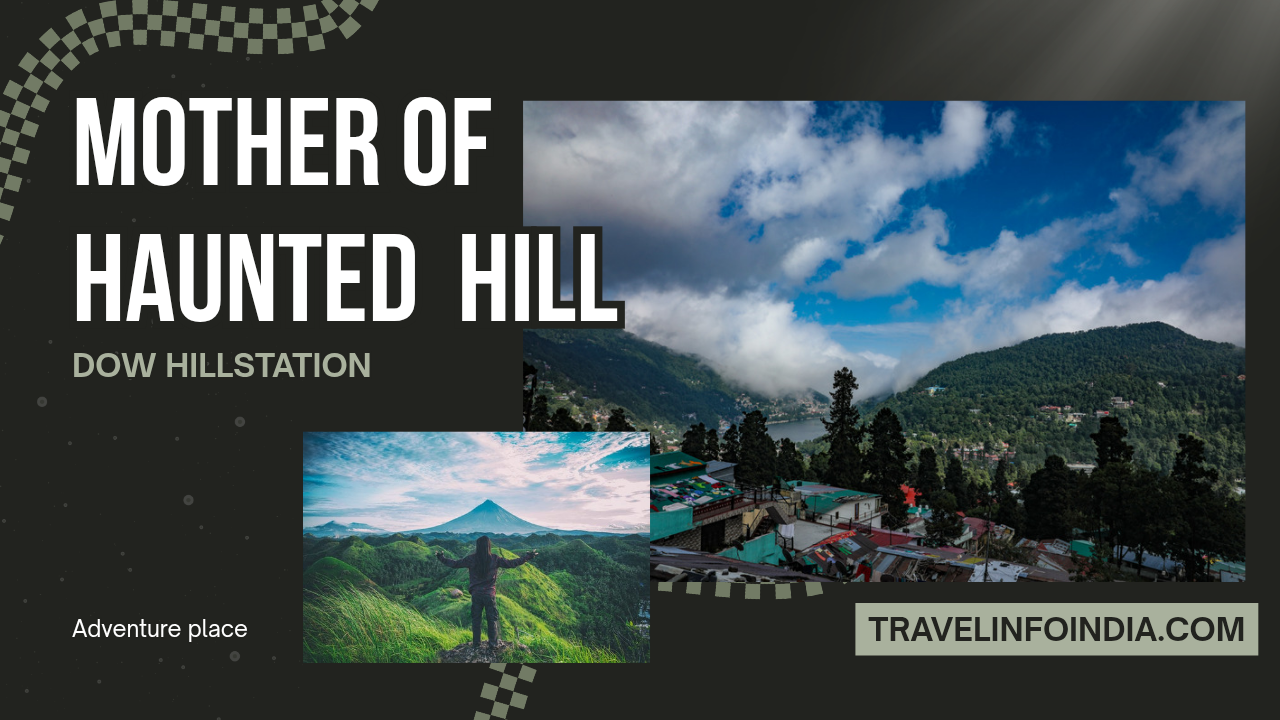
Perched in the hills of Darjeeling district, West Bengal, Dow Hill (also “Dowhill”) is a place of paradoxes. Mist-draped forests, colonial-era architecture, serene viewpoints—yet shadows linger in its old school corridors and forest paths. It’s often referred to as “the Mother of Haunted Hills”, due to dense folklore, ghost stories, and paranormal whispers that surround it. If you love a mix of nature, history, and spine-tingling mystery, Dow Hill is your kind of place.
Where is Dow Hill & How to Reach
Location: Dow Hill is in Kurseong, Darjeeling district, West Bengal, India. PO Dowhill, Kurseong, West Bengal 734220.
Nearest major points:
• Nearest airport — Bagdogra Airport (~40-50 km).
• Nearest rail/head station — New Jalpaiguri, then train/cab to Kurseong.
When to visit: Any time for nature lovers; for haunted atmosphere, winter months (December-March) are especially eerie because many places like Victoria Boys’ High School are closed and more still.
What to See & Experience
Here are the major attractions and eerie highlights at Dow Hill:
Attraction / Spot What Makes It Special / What to Experience
Victoria Boys’ High School
100+-year old school built during colonial era. Locals and visitors report strange footsteps, whispers, and voices in its halls—especially when the school is closed during winter break (December-March). Some say they’ve seen apparitions or kid-like shadows in 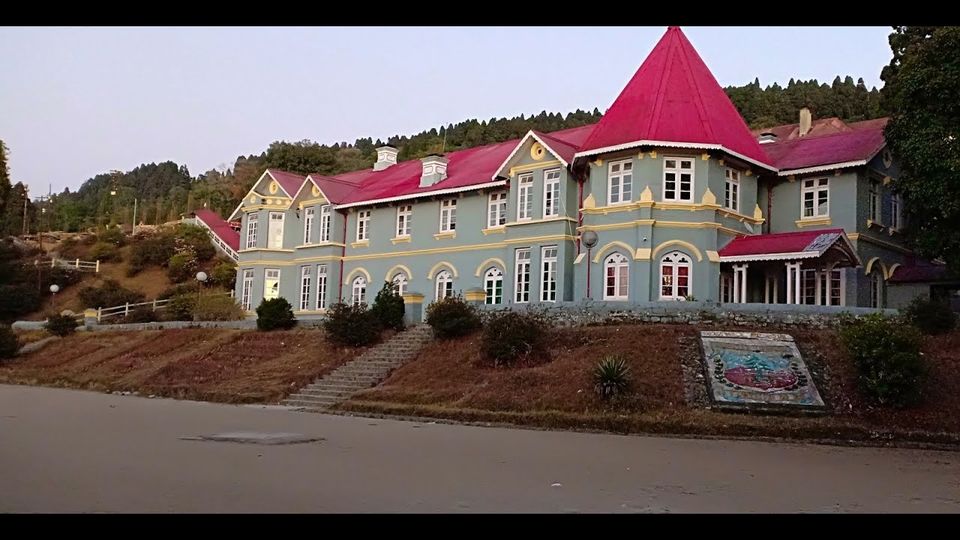
Death Road
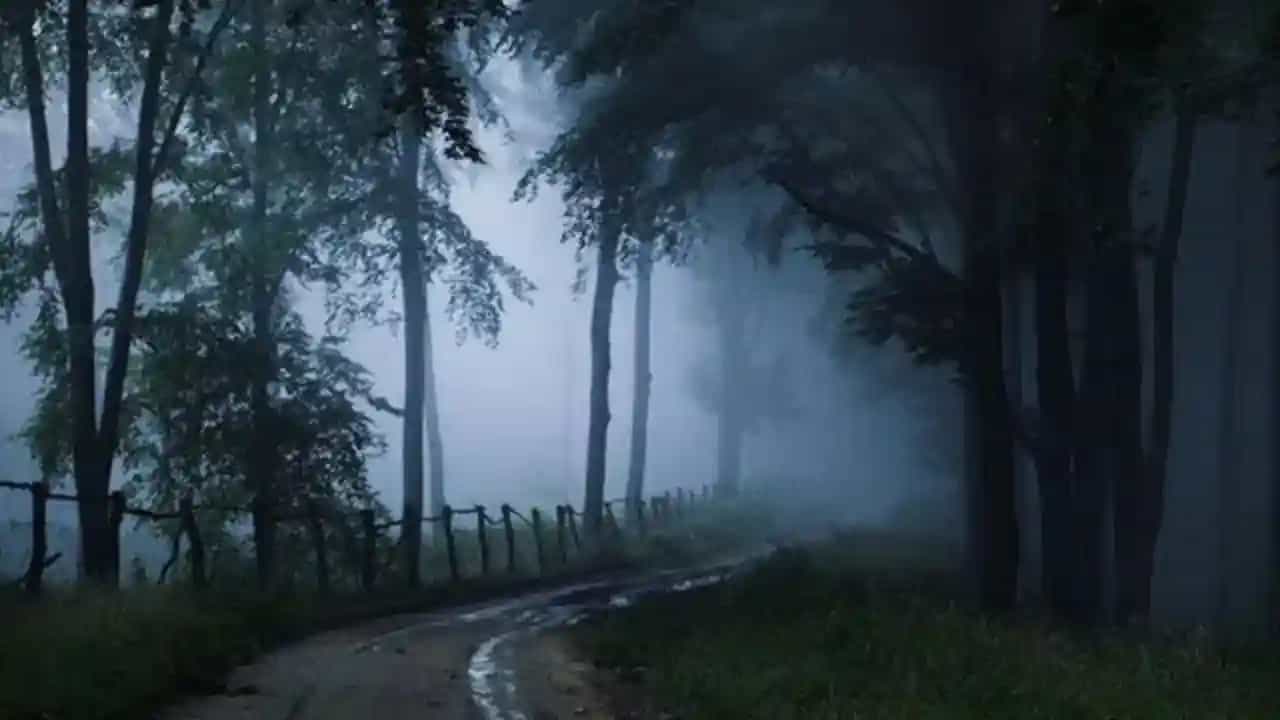
A forest path between Dow Hill Road and the Forest Office, nicknamed “Death Road.” One of most famous legends: a headless boy walking and disappearing into the trees. Many woodcutters and forest users speak of being followed or seeing something vanish.
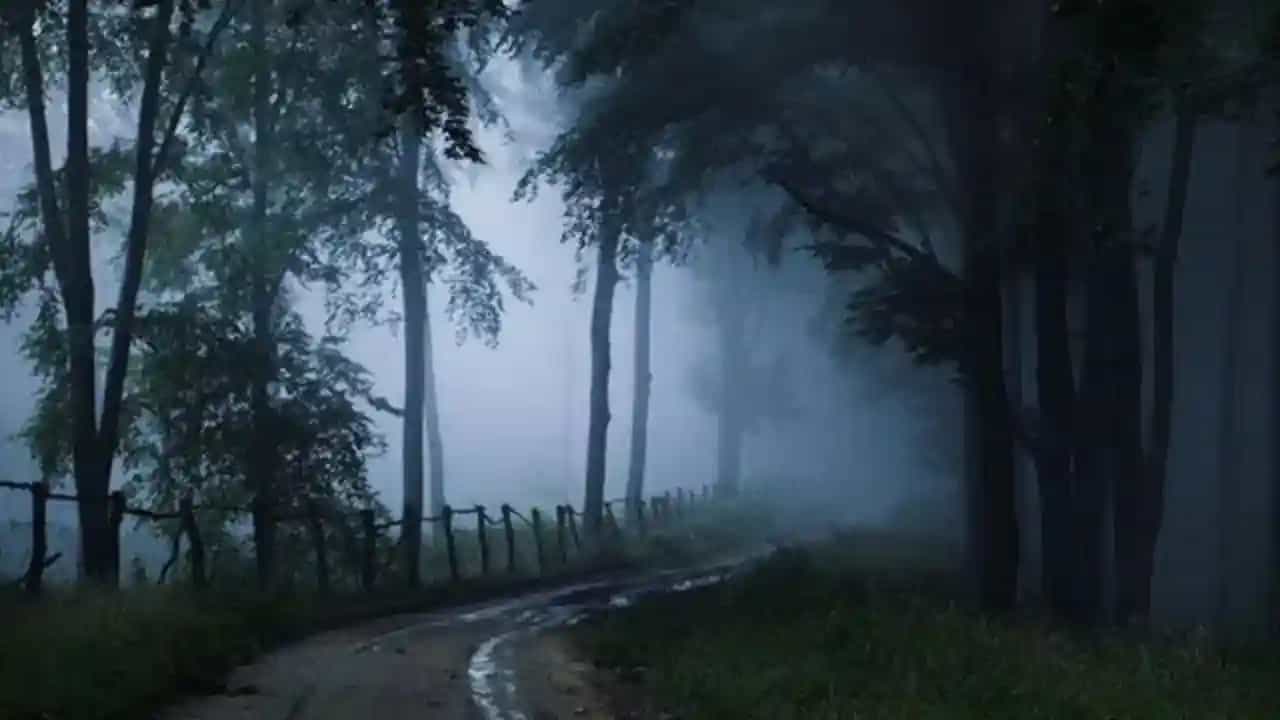
The Forests Around Dow Hill
Dense woods enveloping the school and paths; at dusk or night, visitors often report being watched, hearing footsteps, seeing red glowing eye(s), female shadow-figure(s) in grey roaming among the trees.
Dowhill Park / Deer Park / Eco Park
For daytime visitors: calmer spots like Dowhill Park, Deer Park, Eco Parks offer nature walks, cool views, and greenery. They provide a contrast to the spooky tales of the forest and school.
Myths, Legends & Chilling Tales
What gives Dow Hill its haunted reputation are the stories people tell. Some may be exaggerated, others possibly rooted in real events, but all contribute to the dark charm.
The Headless Boy: Perhaps the most famous. On “Death Road”, many say they’ve seen a child with no head walking and then dissolving into mist or trees.
Whispers & Footsteps: Even when the school is shut, visitors say they hear footsteps echoing in corridors. Some claim doors or windows move, whispers in the empty halls.
Red Eye & Shadows: A red glowing eye glimpsed among trees, or unexplained shadow-figures (especially a woman in grey). Those who try to follow them often lose their way.
Mental Unease: Some visitors report strong feelings of dread, anxiety, or depression while passing through forest or when alone in the school premises at dusk. In some legends, people supposedly lost their minds, or worse.
Natural Beauty & Other Attractions
Dow Hill is not just about the ghosts. The natural setting is lovely, and there are many gentler, beautiful things to do:
Tea gardens around Kurseong, lush greenery, orchids, mountain views.
Views from “Eagle Crag” viewpoint.
Darjeeling Himalayan Railway ride (toy train) passing through Kurseong.
Local markets, cafés (Kurseong Diaries, etc.), enjoying hill-station life, sunrise/sunset views.
Safety, Tips & Travel Advice
If you plan to visit Dow Hill, especially for its haunted side, here are some tips:
Go in groups, especially if venturing into forests or the Death Road at dusk. Solo visitation after dark not recommended.
Stay until before dusk if you don’t like scary / unknown experiences. The forest and old structures get spookier after dark.
Carry a reliable torch / flashlight, and proper trekking/walking shoes if exploring forest trails.
Check access times: Some places (like the Victoria Boys School) are closed during winter vacations (Dec-Mar), which ironically is when most ghost stories are reported. But access could be restricted.
Respect local beliefs: For communities living there, these legends are more than stories. Be sensitive about photographing or disturbing places.
Why Dow Hill Captivates
What sets Dow Hill apart is the blend of natural beauty + colonial history + deep folklore. The old British-era architecture (especially Victoria Boys’ School), the silence of snow-capped or mist-shrouded mornings, the dense forests, the teased line between myth and reality—all create an atmosphere cinematic in its impact.
Even if you dismiss ghosts, the setting forces you to feel something: respect, wonder, a chill, curiosity.
Dow Hill is not for everyone. If you’re seeking blissful solitude, tea garden views, crisp mountain air—you’ll find them here. But if you also have a taste for the uncanny, the unexplained, the whispers behind old walls and under forest shadows—you’ll leave with stories, possibly goosebumps, and memories that linger.
The “Mother of Haunted Hills” is more than a nickname—it reflects a place where nature, colonial history, superstition, and human imagination meet. Visit with open eyes, a respectful heart, and maybe a little courage. You might come for views, but you might also come away changed.