
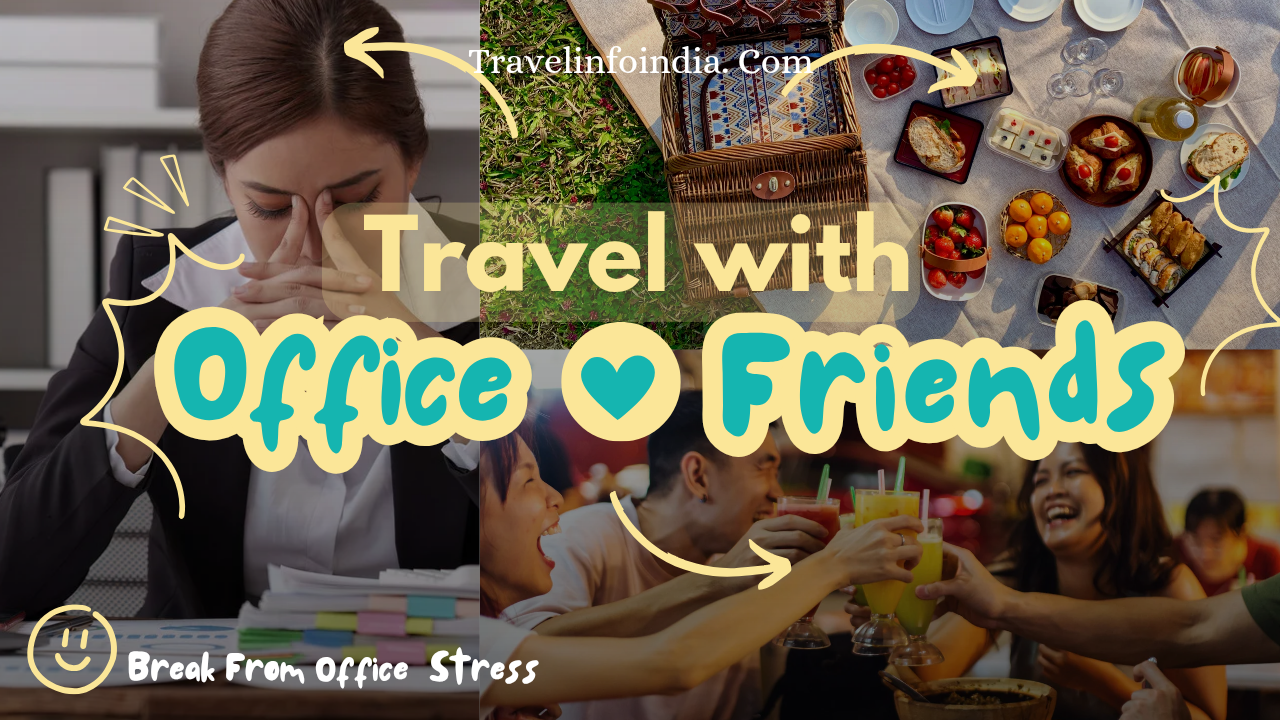
Break from the Desk-Office Team’s 3-Day Getaway
After endless meetings, ringing phones, and blinking screens, every team deserves a well-earned break. That’s exactly what we did – swapped deadlines for day-trips, conference rooms for mountain views, and chai breaks for campfire laughs.
Welcome to our unforgettable 3-day escape with the office team – packed with adventure, laughter, and memories that no Zoom call can replicate.
Travel with Office Colleagues-Break from the Desk Office Team’s 3-Day Getaway

Break from the Desk-Office Team’s 3-Day Getaway
Where We Went: A Mix of Nature, Fun & Food
Break from the Desk Office Team’s 3-Day Getaway…
We chose a 3-day tour package that gave us the perfect balance of relaxation, bonding, and thrill. Here’s how it went:
Day 1 – Scenic Drive & Hilltop Check-In
Left early morning by tempo traveller (AC, music, and snacks onboard!)
Arrived at a picturesque resort surrounded by green hills
🍽️ Welcome drinks & lunch buffet
Evening team games, tug-of-war, and group karaoke
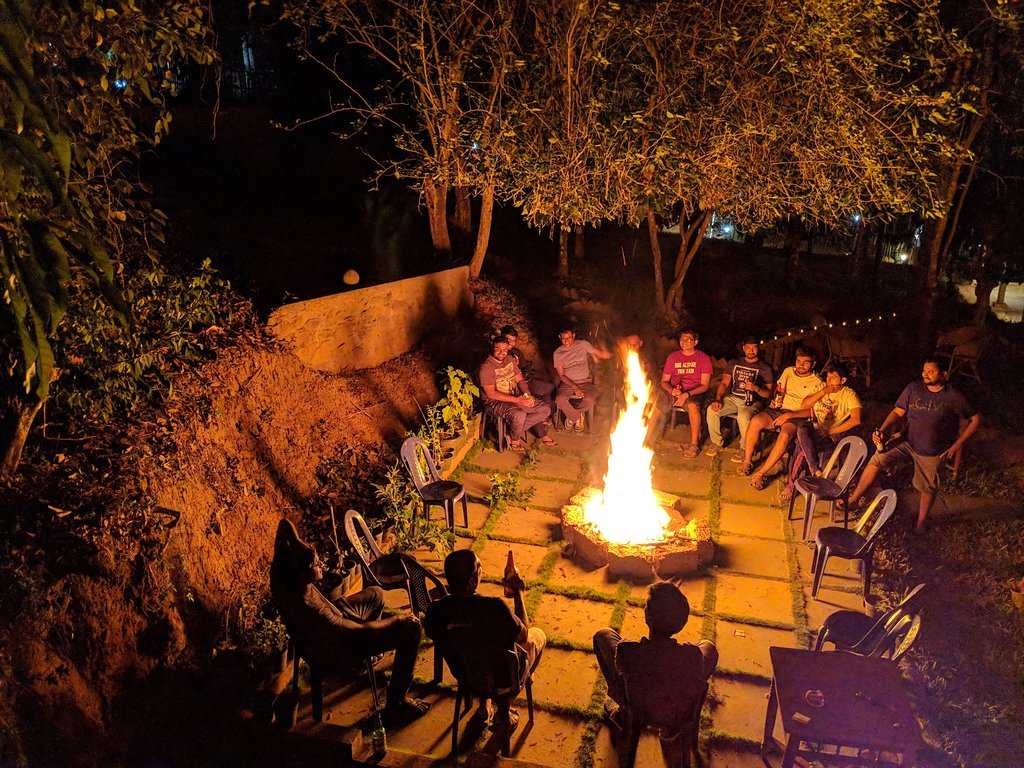
🌌 Bonfire night with mocktails and open-air dinner
Day 2 – Adventure + Chill Combo
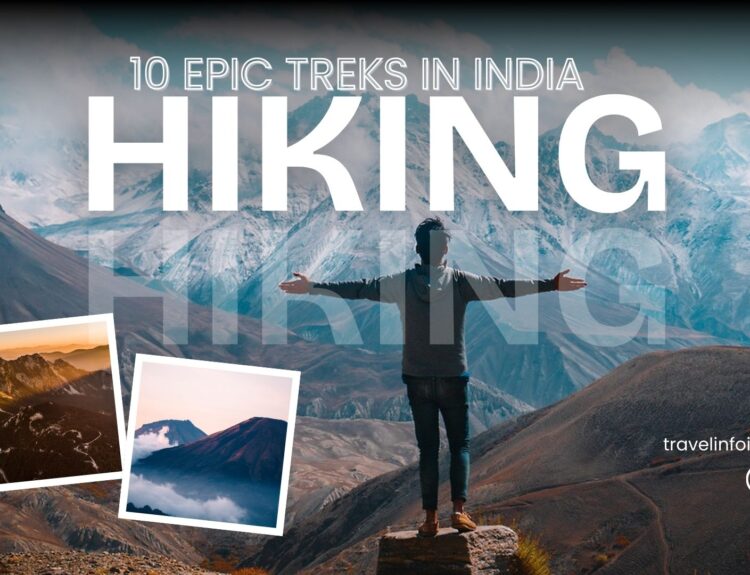
Morning trek to a hidden waterfall (easy-moderate level, super fun)
📸 Nature photography contest – yes, some of us got very competitive!
Post-lunch downtime with spa, pool, and nature walks
DJ night + theme dinner (Bollywood dress code – don’t ask who came as Mogambo 😄)
Day 3 – Explore & Return
Local sightseeing: fort visit, village market, and lake view point
Quick souvenir shopping
Lunch at a highway dhaba – the kind that serves paneer butter masala with love!
Back to base with tired feet, full hearts, and too many selfies
–
Top Places in India for a 2–3 Day Office Team Getaway
Top Destinations to Visit with Office Colleagues
Hill Stations & Nature Retreats
1. Lonavala–Khandala (Maharashtra) – Close to Mumbai/Pune, perfect for rain, forts & fun.
2. Manali (Himachal Pradesh) – Adventure + chill, a classic pick.
3. Nainital (Uttarakhand) – Boating, shopping, lake walks.
4. Mount Abu (Rajasthan) – Cool hills in a hot state!
Beachside Relaxation
1.Alibaug (Maharashtra) – Ferry ride + sea breeze fun.
2.Goa (anytime!) – Beach + night fun + food. Great for young teams.
3. Gokarna (Karnataka) – Quiet beaches, group camping.
4.Pondicherry (Tamil Nadu) – French charm, clean beaches, cafes.
Cultural & Heritage Trips
1. Udaipur (Rajasthan) – Palaces, lakes, traditional feel.
2. Jaipur (Rajasthan) – Forts, street shopping, history walk.
3. Hampi (Karnataka) – Ruins + rivers + scenic landscapes.
4. Mahabalipuram (Tamil Nadu) – Seaside temples, sculptures.
5. Khajuraho (Madhya Pradesh) – Temples + heritage + peace.
Adventure & Wildlife
1. Jim Corbett (Uttarakhand) – Safari + riverside resorts.
2. Rishikesh (Uttarakhand) – River rafting, camping, yoga.
3. Dandeli (Karnataka) – River sports + forest stays.
4. Chikmagalur (Karnataka) – Coffee, hills, trekking.
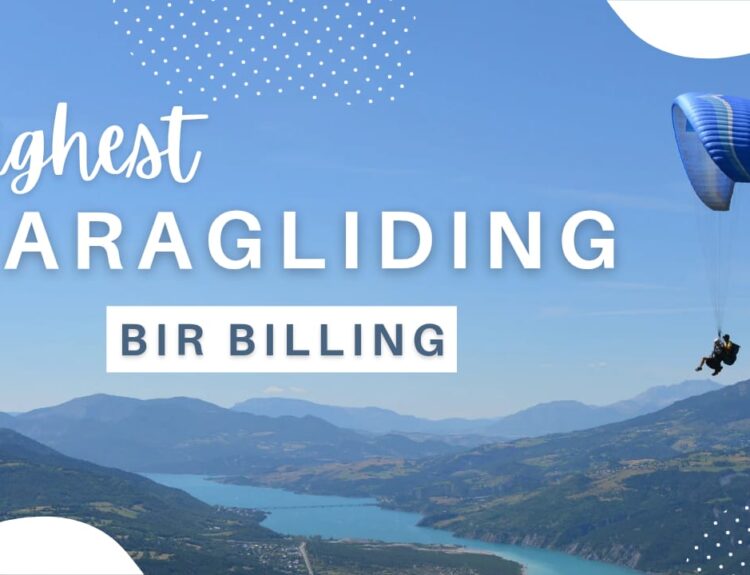
5. Panchgani (Maharashtra) – Valley views, table land, paragliding.
Activity-Based Getaways (Beyond the Usual)
The “Mystery & Strategy” Challenge (Escape Rooms/Interactive Mystery)
- Idea: Engage the team’s critical thinking and collaborative problem-solving skills in a high-stakes, fun environment.
- Why it’s different: It’s immersive and requires intense teamwork under pressure.
- Activities:
- Customized Escape Game: Work with an escape room provider to create a custom challenge tailored to your company’s values or industry, incorporating puzzles that require diverse skills.
- Interactive Murder Mystery Dinner: A theatrical experience where the team works together to solve a “crime” over a meal.
- Urban Treasure Hunt/Scavenger Hunt: Organize a treasure hunt through a city’s historic sites or a specific area, with clues and challenges that require teamwork and strategic thinking to solve.
- Locations: Major cities like Ahmedabad, Mumbai, Pune, Delhi offer excellent escape room facilities. A historical city like Jaipur or even Rajkot itself could be used for an urban treasure hunt with local elements.
- Benefits: Enhances strategic thinking, communication under pressure, problem-solving, and highlights individual strengths.
Book Your Team Getaway Now
We booked our tour through TravelMasti Getaways – super helpful, flexible with corporate needs, and arranged everything from transport to team activities.
Tips for Planning a Perfect Office Trip
Book 3-4 weeks in advance
Keep 1 day for free exploration
Choose resorts with meeting halls for optional quick work catchups
Carry a team playlist! (Ours had “Zindagi Na Milegi Dobara” on loop)
just 3 days, we made memories to last years. No KPIs, no urgent emails — just conversations, coffee, and crazy fun with the people we usually only see behind desks. If you haven’t done it yet, this is your sign. Go plan that team trip. You won’t regret it.
Laptops down. Backpacks up. The team trip begins. 🚀

[…] Break from the Desk-Office Team’s 3-Day Getaway […]