

Exploring Drass The Coldest Village in India at 50°C
Nestled in stunning landscapes of Ladakh, India, lies Drass, a small village that has earned the chilling title of the second coldest inhabited place in the world. Located in the Kargil district, Drass sits at an elevation of approximately 3,300 meters (10,827 feet) above sea level. Known for its breathtaking vistas, harsh winters, and rich history, Drass is a destination that combines adventure, culture, and resilience.

Geography and Location of Drass
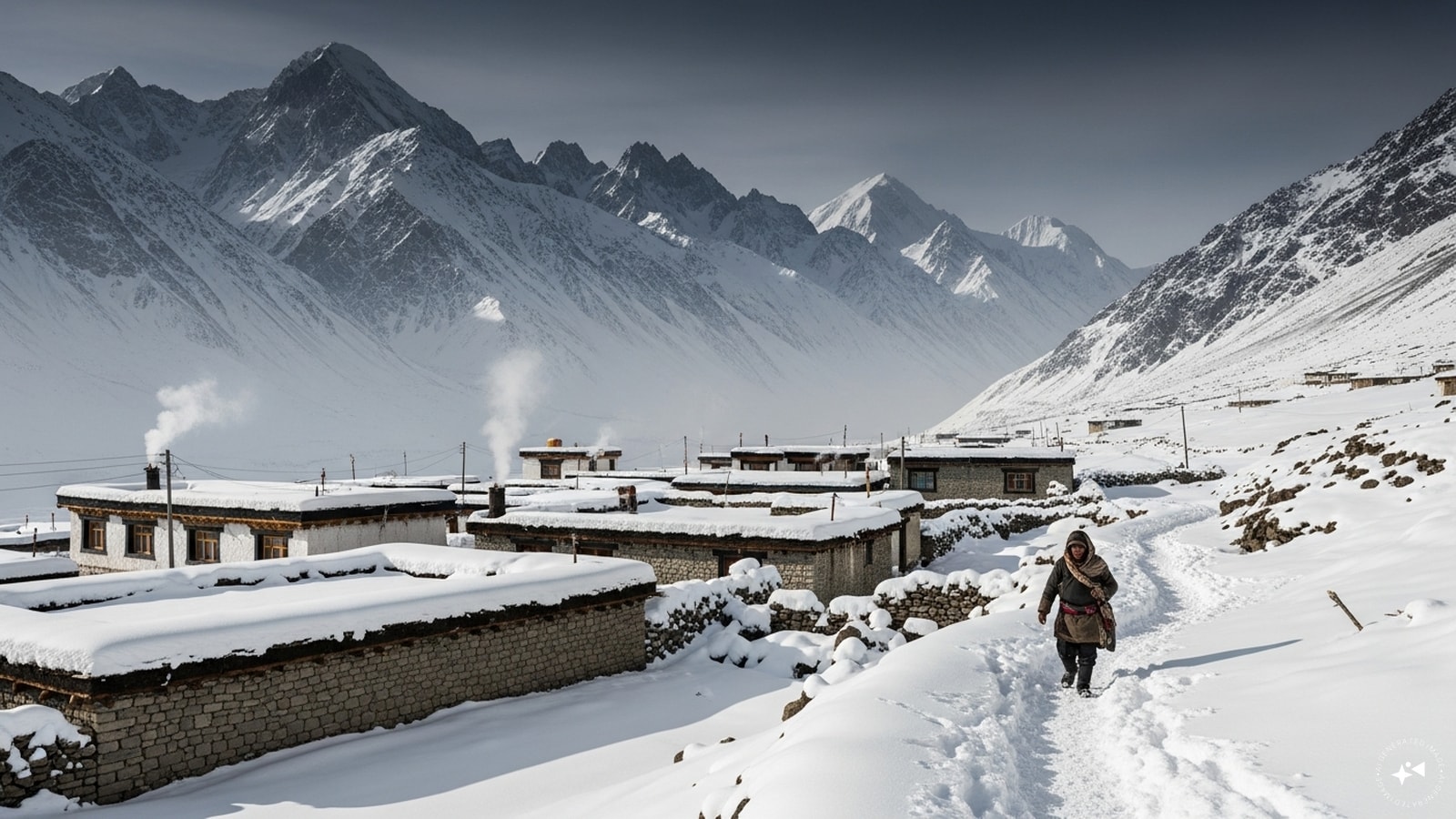
Drass is strategically located on the National Highway 1 (NH1), connecting Srinagar and Leh. Surrounded by towering Himalayan peaks, the village lies close to the Line of Control (LoC), giving it significant military importance. The Indus River flows nearby, adding a serene contrast to the otherwise rugged and icy terrain.
village experiences extreme weather conditions, with temperatures dropping as low as -50°C in peak winters. Despite this, it is home to a small but hardy population, who have adapted to the high-altitude and sub-zero temperatures over centuries.
History of Drass
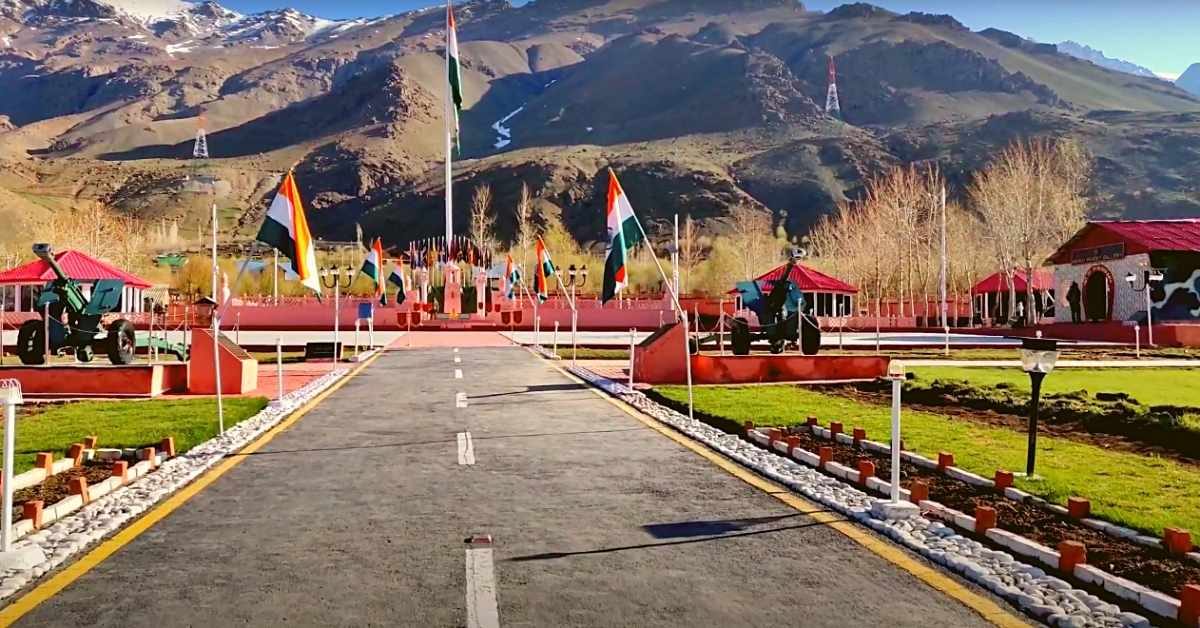
Drass is not just known for its cold but also for its historical significance. It played a crucial role during the Kargil War of 1999, when the Indian Army defended the region against intrusions along the LoC. The harsh terrain and extreme climate made military operations extremely challenging, highlighting the strategic importance of Drass in India’s defense.
Historically, the village has been a stopover for traders and pilgrims moving between Srinagar and Leh. Its remote location meant that Drass remained relatively untouched by modern development for many decades, preserving its traditional lifestyle and culture.

Life at -50°C
Drass is often called the “Gateway to Ladakh”, but the real distinction comes from its bone-chilling winters. From December to February, the village is blanketed in heavy snow, and temperatures can plummet to -50°C, making it nearly impossible for outsiders to survive without proper gear.
The winters are harsh, but the summers, from May to September, offer a short window where the weather becomes pleasant and suitable for trekking and exploration. During this time, the snow melts to reveal the lush green valleys, alpine meadows, and flowing rivers—a stark contrast to the frozen landscape seen in winter.
Life of Locals in Drass
Surviving in extreme cold requires remarkable resilience. The residents of Drass rely on traditional houses made of stone and wood, insulated to retain heat. Yak dung and firewood are common fuel sources for warmth during the freezing nights.
The villagers are primarily involved in agriculture, animal husbandry, and small-scale trade. They grow hardy crops like barley, wheat, and peas, and rear yaks, sheep, and goats, which are well-adapted to the harsh environment.
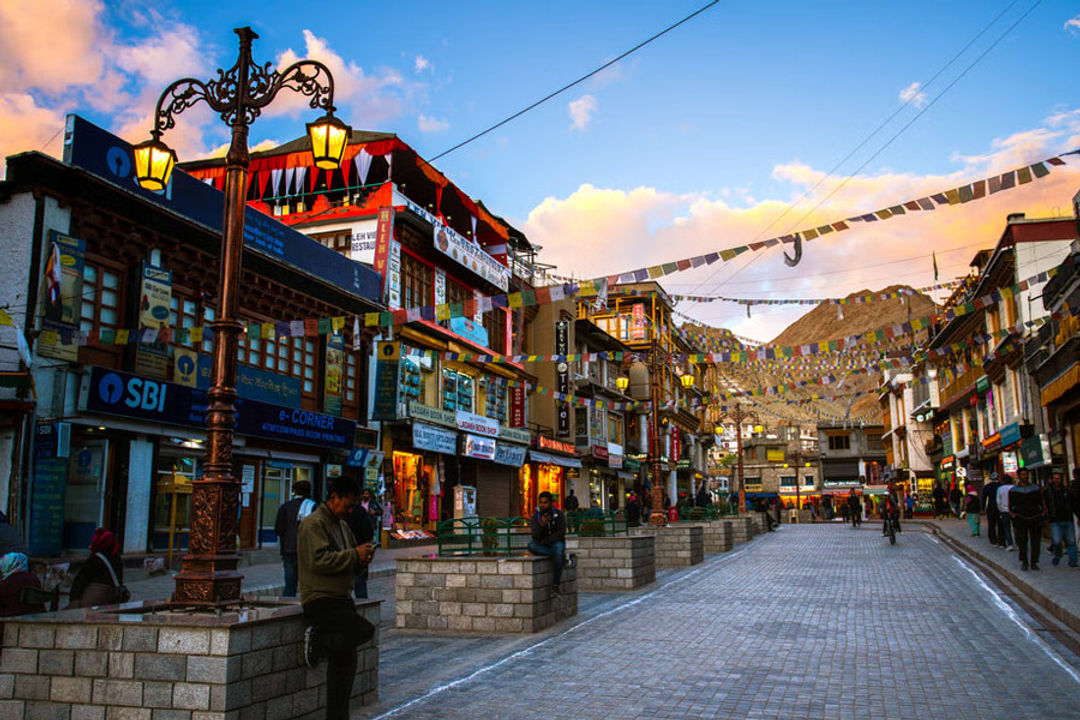
Despite the tough conditions, the people of Drass are known for their hospitality, culture, and traditions. Festivals and local fairs are celebrated with joy, even amidst freezing temperatures, showcasing the human spirit’s resilience in extreme conditions.

Attractions Near Drass
While Drass itself is small, it serves as a base for exploring the Kargil region. Some of the key attractions include:
-
Tololing Heights – A site of historical importance from the Kargil War, offering panoramic views.
-
Tiger Hill – A must-visit for history enthusiasts and trekkers.
-
Suru Valley – Known for its lush meadows and scenic beauty.
-
Shankar Post & Zoji La Pass – Snowy passes that test a traveler’s endurance and offer spectacular Himalayan landscapes.
Visitors can also experience the traditional lifestyle of Drass locals, including their handicrafts, cuisine, and folk music.

Adventure in Drass
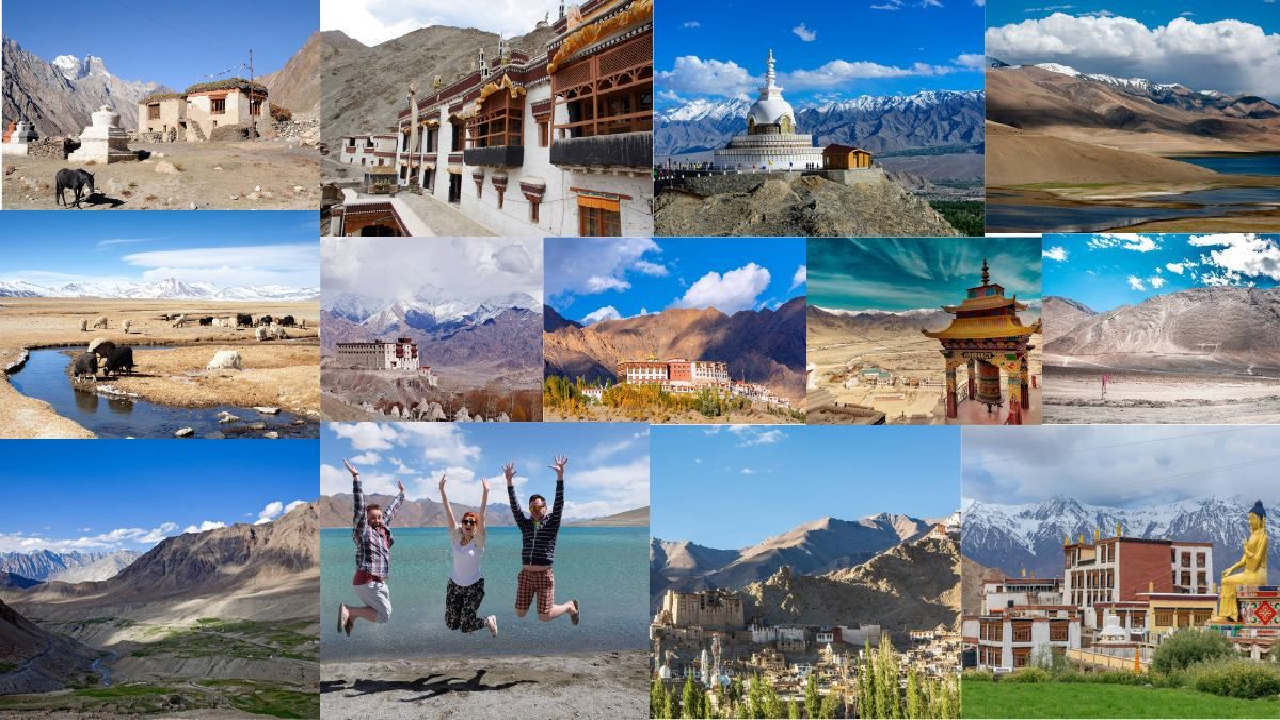
Drass is a paradise for adventure enthusiasts. The region offers:
-
High-altitude trekking along rugged trails.
-
Snow trekking and winter sports in sub-zero temperatures.
-
Camping under the stars amidst the snow-capped peaks.
-
Photography opportunities with stunning landscapes and the frozen beauty of Drass.
Trekking from Drass to nearby villages like Kargil or Mushkaf provides a glimpse of untouched Himalayan beauty and extreme survival conditions.

Best Time to Visit Drass
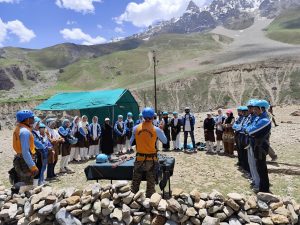
The best time to explore Drass is during the summer months (May to September). During this period, roads are accessible, the weather is milder, and trekking conditions are safe. Winter visits are extremely challenging due to heavy snowfall, road blockages, and temperatures that can drop to -50°C, suitable only for experienced adventurers with proper gear.
How to Reach Drass
-
By Air: The nearest airport is Kargil Airport, about 60 km from Drass. For international travelers, Leh Airport is the closest major airport.
-
By Road: Drass is well-connected via NH1, linking Srinagar to Leh. The journey offers breathtaking views of the Himalayan mountains but requires careful planning, especially during winter.
-
By Train: The nearest major railway station is Srinagar Railway Station. From there, travelers can hire taxis or buses to Drass.
Tips for Visiting Drass
- Carry proper winter gear including thermal wear, gloves, and insulated boots.
- Acclimatize to high altitudes to avoid altitude sickness.
- Respect local customs and culture—Drass is remote, and traditions are deeply rooted.
- Travel with guides if attempting treks in winter, as weather can change rapidly.
- Keep emergency supplies and medications for cold-related illnesses.
Exploring Drass The Coldest Village in India at 50°C

Food and Culture
Drass cuisine is simple yet hearty, designed to combat the extreme cold. Staples include:
-
Thukpa (noodle soup)
-
Chhurpi (hard cheese made from yak milk)
-
Barley bread and other locally grown grains
Festivals in Drass are vibrant and often include folk dances, music, and local games, giving visitors a glimpse into the enduring spirit of its people.
Why Drass is Unique
Drass is not just the coldest village in India; it is a place where nature’s extremes meet human resilience. From the bone-chilling winters to the strategic historical significance, Drass offers a rare blend of adventure, culture, and history. Few places on Earth can combine extreme cold, historical intrigue, and natural beauty as seamlessly as Drass does.
Visiting Drass is an unforgettable experience that goes beyond sightseeing. It’s about witnessing life thriving against all odds, exploring stunning Himalayan landscapes, and understanding the human capacity for resilience. Whether you are an adventure seeker, a history enthusiast, or someone fascinated by extreme climates, Drass is a destination that leaves a lasting impression on the mind and soul. From its frozen winters to its vibrant summers, Drass truly exemplifies the spirit of survival and the beauty of the Himalayas.
Jeju Island Really Koreas Own Hawaii?
Have You Heard About the Magical Bioluminescent Beaches in India?





[…] Exploring Drass The Coldest Village in India at 50°C […]
[…] Exploring Drass The Coldest Village in India at 50°C […]
[…] Exploring Drass The Coldest Village in India at 50°C […]