



Jeju Island Really Koreas Own Hawaii?
If you’ve ever heard someone refer to Jeju Island as “Hawaii of Korea,” you’re not alone. It’s a phrase you’ll find in travel blogs, Reddit threads, and even newspapers. But how accurate is it? Is Jeju really comparable to Hawaii or is that label more of a catchy metaphor than a precise fit? In this blog we’ll explore what Jeju is, how it compares to Hawaii, what makes it unique, and whether comparison truly holds water (or waves). In doing so we’ll highlight keywords like volcanic island, beaches, nature-escape, subtropical climate, lava tubes, honeymoon destination, tourism boom, and sustainable travel.
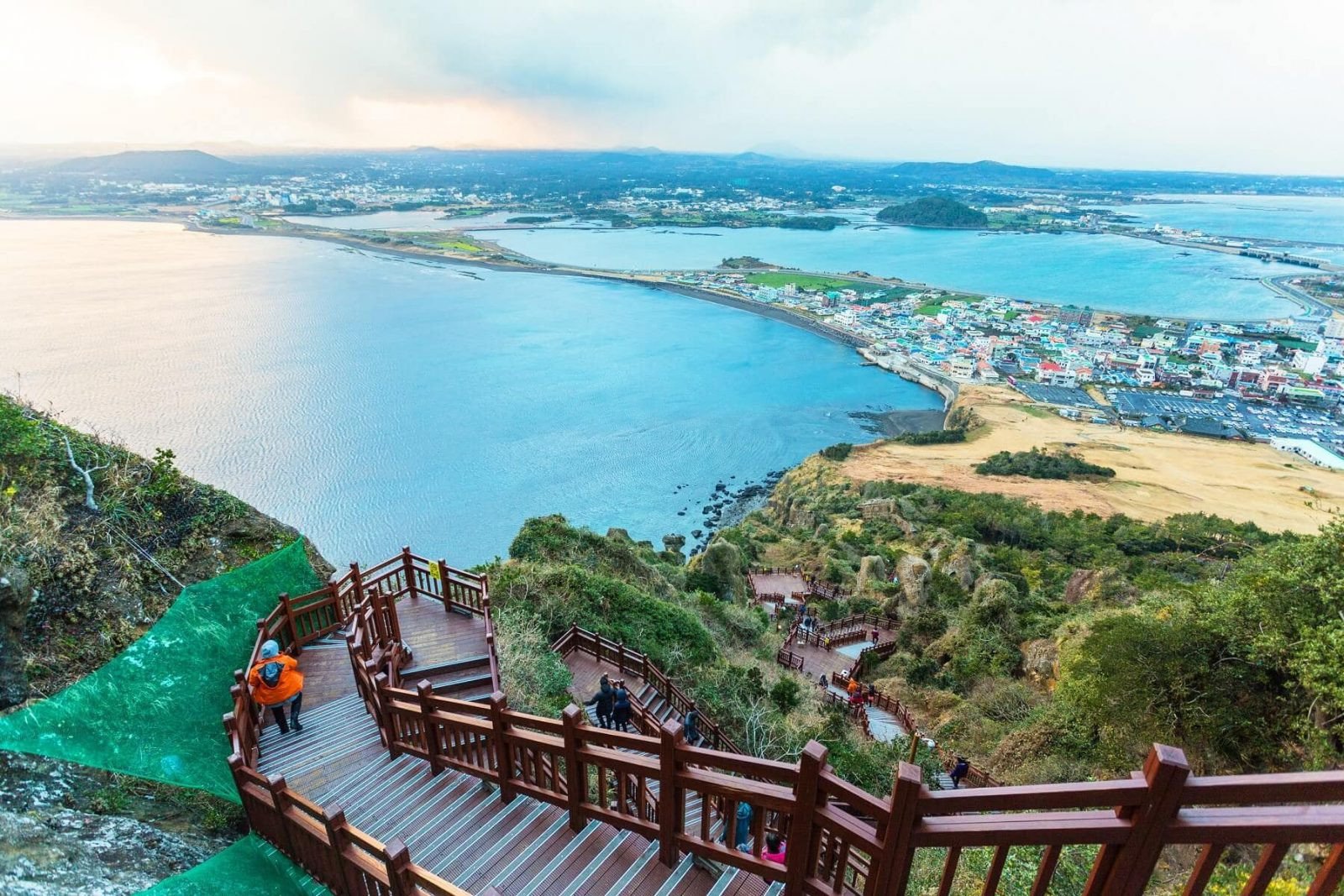

What is Jeju Island?
Located off southern coast of South Korea, Jeju Island (in Korean: Jeju-do) is the country’s largest island and constitutes its own province, the Jeju Special Self‑Governing Province.
It lies about 130 km from the mainland.
It covers roughly 1,800–1,900 km².
Its central peak is Hallasan, a dormant volcano that rises about 1,950 m above sea level — the highest point in South Korea.
The island is volcanic in origin: lava flows, cones, lava tubes and tuff-cones are found all over.
It’s designated a UNESCO World Heritage site for its volcanic geology (the Jeju Volcanic Island and Lava Tubes) as well as a biosphere reserve.
Thus island’s culture has its own distinctive flavour: unique dialect, haenyeo female divers (sea-women), tangerine orchards, stone wall landscapes etc.
Why people call it “Korea’s Hawaii”?
Several characteristics of Jeju align with what people often imagine when they think of “Hawaii-type” islands:
Beaches & coastline: Jeju features beautiful beaches, ocean-views, and a climate that allows for more outdoor leisure than many inland Korean locations.
Volcanic terrain and lush greenery: Similar to islands like Hawaii, Jeju’s volcanic past has shaped much of its landscape (lava tubes, volcanic cones, basalt cliffs) which gives it a dramatic natural beauty.
Tourism & honeymoon destination: Much like Hawaii is to the US, Jeju has become a popular destination for couples, honeymooners, domestic tourism, and also international visitors.
Subtropical influences: While Korea is temperate, Jeju’s south-coast location gives it somewhat milder climate zones, citrus farms (notably tangerines) etc.
Island-escape feel: For many Koreans, Jeju serves as an escape from the hustle of the mainland — similar to how Hawaiians serve as escapes for Americans.
Where comparison works — and where it doesn’t
Nature and outdoor activities: On Jeju you have hiking up Hallasan, exploring lava tubes, coastal trails, beaches, waterfalls etc. The sheer variety of landscapes supports adventure and relaxation.
Volcanic heritage: Both Hawaii and Jeju have volcanic origins, dramatic landforms, and unique geology.
Tourist infrastructure: Jeju has built up infrastructure to accommodate international visitors, resorts, beaches, and varied experiences.
Island lifestyle appeal: The island draws visitors for its slower pace, sea views, fresh air — that “escape the city” appeal.


What makes Jeju truly unique (and perhaps more interesting than just “Hawaii of Korea”)
Rather than just viewing Jeju through the lens of “like Hawaii but in Korea”, we should recognise its specific features. Some highlights:
Volcanic Landforms & Lava Tubes
The island’s volcanic backbone means there are lava-tube cave systems, parasitic volcano cones (“oreums”), tuff cones like Seongsan Ilchulbong (Sunrise Peak) and basalt cliffs like Daepo Jusangjeolli Cliff.
Unique Ecology & Biosphere
Jeju hosts diverse ecosystems: alpine zone atop Hallasan, temperate broadleaf forest, evergreen forests, wetlands — some endemic species too. It’s a UNESCO-recognised biosphere reserve.
Cultural Traditions
The haenyeo — female sea divers who dive without oxygen to harvest seafood — are unique to Jeju. Their legacy, skills and cultural value set the island apart.
Also the island’s black basalt stone walls (“doldam”), tangerine farms, distinctive local cuisine and dialect add flavour.
Tourism with Local Character
While tourism is booming, the shift from agriculture/fishing to tourism is still very much active. For example, Jeju still cultivates tangerines, has local seafood markets, and mixes natural beauty with accessible amenities.
Compact & Diverse
Because Jeju is smaller than large island resorts, you can do a big variety of things in a fairly compact area — from mountain summit to sea snorkelling, from lava cave to waterfall, in a single day you may transverse very different terrains.
Jeju Island Really Koreas Own Hawaii?

Travel Highlights — What to do on Jeju
Here are some of the must-do experiences on Jeju (and these further strengthen the “island paradise” feel):
Climb Hallasan (there are multiple trails) and reach the crater lake at the summit.
Visit Seongsan Ilchulbong – catch the sunrise at the iconic tuff cone.
Explore lava tubes like the Geomunoreum or Manjanggul.
Lounge on Jeju’s beaches – e.g., Hamdeok Beach, Iho Taewoo Beach.
Official & Tourism Sites
1. Visit Jeju – Official Travel Guide
👉 https://www.visitjeju.net/en
(Official Jeju Tourism Organization website – attractions, travel tips, local events)
2. Jeju Special Self-Governing Province (Government Portal)
(Local government’s official site – regional info, sustainability updates)
Natural Heritage & UNESCO Information
1. Jeju Volcanic Island and Lava Tubes – UNESCO World Heritage
👉 https://whc.unesco.org/en/list/1264/
(Details about the island’s volcanic geology, lava tubes, and conservation value)
2. Hallasan National Park – Korea National Parks Service
👉 https://english.knps.or.kr/Knp/Hallasan/Intro/Introduction.aspx?menuNum=1&subMenuNum=1
(Official info on Hallasan hiking routes, safety, flora & fauna)
Jeju Island truly lives up to its nickname — “The Hawaii of Korea” — not just because of its beaches and volcanoes, but because of the feeling it gives you: a sense of escape, serenity, and awe. With its UNESCO-listed lava tubes, Hallasan’s volcanic grandeur, haenyeo divers, and sun-kissed coastlines, Jeju combines adventure and peace in equal measure.
Thailand in ₹50K: Luxury Feels on a Budget
Plan Your Next Vacation Top Holiday Places in India for 2025





[…] Jeju Island Really Koreas Own Hawaii? […]
[…] Jeju Island Really Koreas Own Hawaii? […]