

Largest Tijori of India Mysteries of Padmanabhaswamy Temple
India, a land steeped in history and mysticism, is home to numerous treasures and secrets. Among them, the Padmanabhaswamy Temple in Thiruvananthapuram, Kerala, stands out as a beacon of intrigue and wonder. Often referred to as India’s largest “tijori” (vault), this temple houses treasures that have captivated historians, archaeologists, and the public alike.
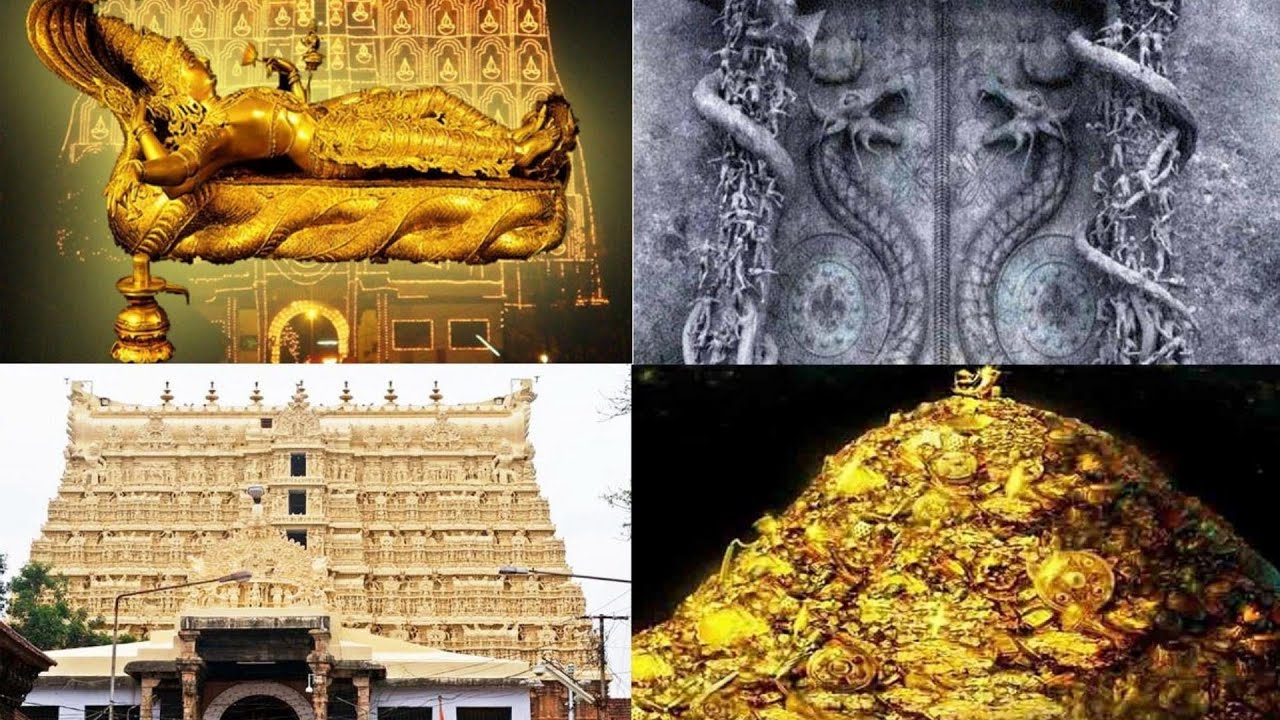

The location of the largest “tijori” in India is at the Padmanabhaswamy Temple in Thiruvananthapuram, Kerala, India.
Temple Name: Sree Padmanabhaswamy Temple
City: Thiruvananthapuram (Trivandrum)
State: Kerala, India
Coordinates: 8.4822° N, 76.9455° E
Nearby Landmark: East of Napier Museum; close to Kuthiramalika Palace
How to Reach:
By Air: Trivandrum International Airport (~6 km from temple)
By Train: Thiruvananthapuram Central Railway Station (~3 km)
By Road: Well-connected via city buses, taxis, and auto-rickshaws
The Hidden Treasures
In June 2011, a Supreme Court-ordered inspection revealed the temple’s astounding wealth. The treasures were stored in multiple subterranean vaults, designated as Vaults A to H. While some vaults remain unopened, others have yielded items of unimaginable value:
Vault A: Contained over 102,000 items, including gold idols, coins, and jewelry.
Vault B: Remains sealed, with legends suggesting a curse protecting its contents.
Vault C-F: Held thousands of gold coins, crowns, and ceremonial items.
Vault G & H: Discovered later, their contents are yet to be fully explored.
estimated value of these treasures ranges from $22 billion to $1 trillion, making it one of the richest collections globally.
Architectural Marvel
temple’s architecture is a blend of traditional Kerala style and Dravidian influences:
Gopuram: The towering entrance is adorned with intricate carvings depicting various deities and mythological stories.
Anantha Padmanabha Idol: The main deity, Lord Vishnu, is depicted reclining on the serpent Anantha, symbolizing the eternal cycle of time.
Subterranean Vaults: Ingeniously designed to protect the treasures, these vaults are accessed through secret passages and are a testament to ancient engineering.
Vaults at Padmanabhaswamy Temple
1. Vault A
The most famous and richest vault.
Contains gold, jewels, coins, and ceremonial items.
Estimated treasure value: billions of dollars.
Opened and inventoried in 2011.
2. Vault B
Remains sealed due to alleged divine curse.
Many believe that opening it could bring misfortune.
3. Vault C
Opened during inspection.
Contains gold coins, crowns, and jewelry.
4. Vault D
Opened; similar contents to Vault C.
5. Vault E
Contains gold and historic artifacts.
6. Vault F
Contains more jewelry, gold, and religious treasures.
7. Vault G & H (Rumored/Unopened)
These vaults are mentioned in legends and local stories.
Contents are unknown; many speculate they hold rare treasures or priceless historical items.
Nearby Attractions in Thiruvananthapuram, Kerala
1. Kuthiramalika Palace Museum (Puthenmalika Palace)
A 19th-century palace built by Maharaja Swathi Thirunal.
Famous for traditional Kerala architecture, wood carvings, and royal artifacts.
Location: Adjacent to Padmanabhaswamy Temple.
2. Napier Museum
Showcases ancient ornaments, bronze idols, and temple chariots.
Example of Indo-Saracenic architecture.
Location: 1 km from the temple.
3. Shankumugham Beach
A serene beach ideal for sunset views and leisure walks.
Popular for local snacks and coconut-based refreshments.
Location: ~5 km from the temple.
4. Sree Chitra Art Gallery
Houses a vast collection of traditional and contemporary Indian art, including works by Raja Ravi Varma.
Location: 1.5 km from the temple.
5. Attukal Bhagavathy Temple
Famous for the Attukal Pongala festival, often called the “Women’s Kumbh Mela.”
Location: ~2 km from Padmanabhaswamy Temple.
6. Kanakakkunnu Palace
A historic palace with gardens and cultural performances.
Location: 1 km from the temple.
7. Veli Tourist Village
Offers boating facilities, open-air events, and a lagoon view.
Location: ~7 km from the temple.
History of Padmanabhaswamy Temple
Padmanabhaswamy Temple in Thiruvananthapuram, Kerala, is not only a major pilgrimage site but also home to India’s most famous and mysterious treasure vaults. Dedicated to Lord Vishnu in his reclining form of Anantha Shayanam, temple origins date back over a thousand years, with references found in Tamil Sangam literature between 500 BC and 300 AD. Over centuries, Travancore royal family acted as custodians of the temple, expanding its wealth and ensuring security of its treasures. Significant contributions came from rulers and devotees alike, including gold, jewels, coins, and ceremonial artifacts, which were carefully stored in six known subterranean vaults, labeled A to F, with rumors of additional Vaults G and H.
In modern times, temple gained global attention when Supreme Court of India ordered an inventory of the treasures in 2011, revealing hundreds of tons of gold, jewelry, and ancient coins in Vault A alone. The estimated value of the treasures ranges between $22 billion to $1 trillion, making it one of richest religious sites in the world. Among the vaults, Vault B remains sealed, surrounded by legends of a divine curse that warns of disaster if opened. The vaults themselves are marvels of ancient engineering, with massive doors and intricate locking mechanisms designed to protect the treasures from theft and natural calamities.
Despite immense wealth, temple continues to serve as a center of devotion, with daily rituals, festivals, and offerings maintaining its spiritual significance. treasures not only reflect the opulence of Travancore kingdom but also provide a unique insight into India’s royal history, art, and economic heritage. Today, Padmanabhaswamy Temple draws pilgrims, historians, and tourists from around the globe, fascinated by its mystery, history, and unparalleled riches. combination of spiritual devotion and hidden treasure has made it a symbol of India’s enduring cultural and historical legacy.
Photo Highlights
Vault B’s Sealed Door: The enigmatic entrance that has sparked numerous theories and debates.
Golden Idol of Vishnu: A 4ft high idol studded with diamonds and other precious stones.
Treasure Chests: Massive chests filled with gold coins, jewelry, and artifacts.
Fun Facts
Vault B’s Curse: Legend has it that opening Vault B will unleash a curse, leading to misfortune or death.
Royal Custodianship: The Travancore royal family has historically managed the temple’s affairs and treasures.
Ancient References: The temple is mentioned in Tamil Sangam literature, dating back to 500 BC to 300 AD.
Largest Tijori of India Mysteries of Padmanabhaswamy Temple

Useful Links
Padmanabhaswamy Temple Wikipedia
Padmanabhaswamy Temple Treasure Details
_